
Robert M. Gagné was an educational psychologist and researcher who studied the science of learning. In 1965, he published his first book, The Conditions of Learning, which identified the mental conditions that are necessary for learning. He divides these conditions into two groups: internal and external.
Internal conditions are the learner’s background knowledge, or their established level of understanding of a topic or subject matter. External conditions are the stimuli (i.e. the instruction) provided to the learner. Gagné believed considering these conditions and their effect on the learning process is essential to creating instructional materials that will improve a learner’s active recall.
Gagné’s Nine Events of Instruction is an instructional design framework based on how information processing works when a learner is exposed to educational stimuli. His framework outlines nine steps a trainer should take to ensure learners have all the necessary mental elements to learn effectively.
Gagné’s Nine Events are popular among training specialists, instructional designers, and L&D teams because the framework focuses on holding attention and maximizing retention. It has held up well enough that university teaching centers and corporate L&D groups still work from the same nine steps six decades on.
Gagné’s Nine Events of Instruction
Gagné’s Nine Events of Instruction can be divided into three segments:
Preparation
1. Gaining attention
2. Stating objectives
3. Stimulating recall from prior learning
Instruction and Practice
4. Presenting educational stimulus
5. Providing learning guidance
6. Eliciting performance
7. Providing feedback
Assessment and Transfer
8. Assessing performance
9. Enhancing retention and transfer

Because your learners’ background knowledge and other internal conditions will vary, your implementation of Gagné’s Nine Events of Instruction will continue to shift and evolve over time based on your desired learning outcomes.
Applying the Framework
1. Gain Attention
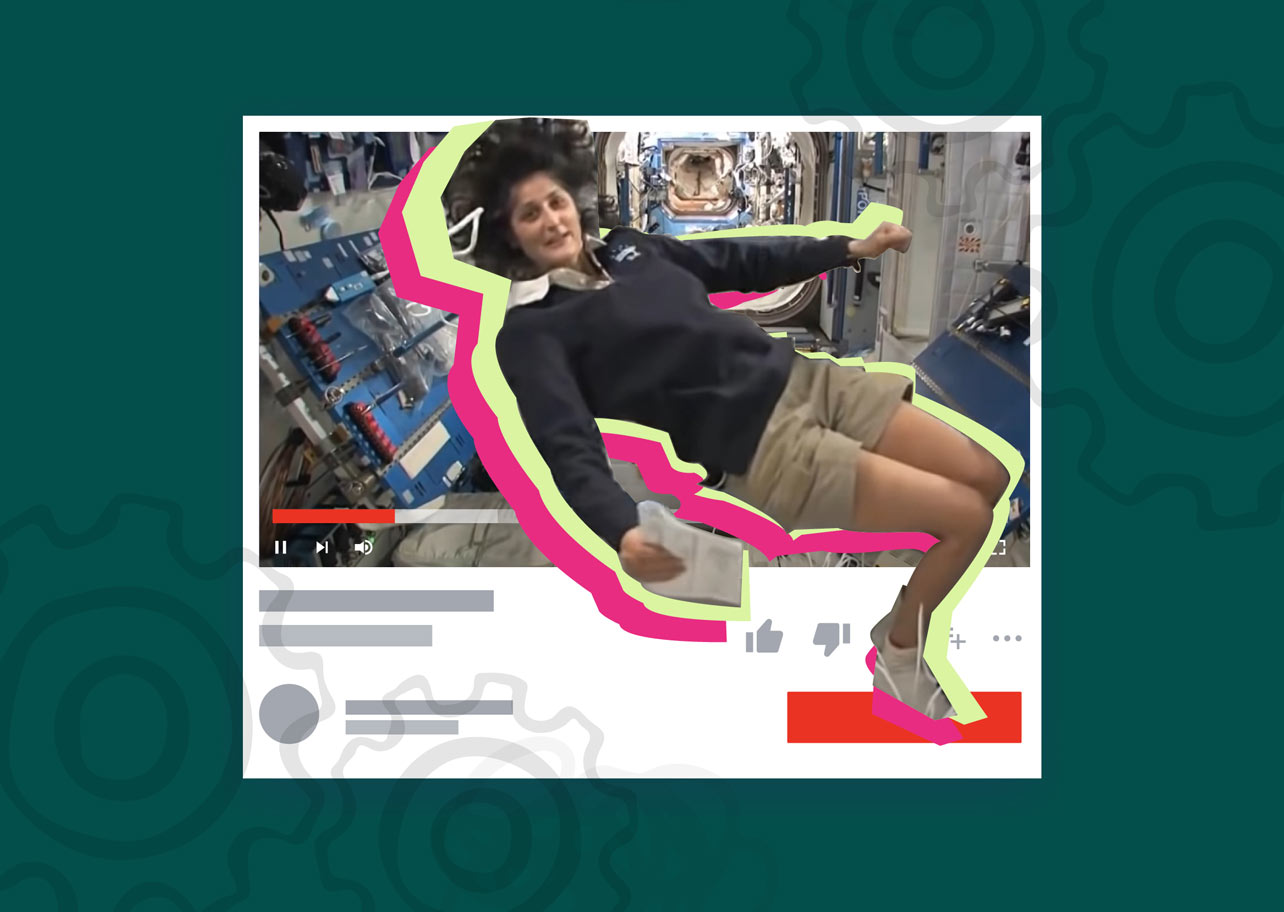
The first step in Gagné’s framework is to arouse your learners’ curiosity. Think of your session as a story. Every story needs a good hook to draw the audience in. If your learners aren’t interested in what you’re delivering, they’re not going to pay attention.
Some tips for grabbing their attention:
- Begin with a hands-on learning activity.
- Discuss a current event as a group.
- Ask a probing question.
- Introduce the topic with a brief video.
2. State Objectives

The second step in a well-crafted session is to tell learners what they can expect to learn and how it applies to the work in front of them. People engage far more readily when they believe what they are learning has practical application the moment they get back to their desk.
If you decide to pique your learners’ interest with a video, consider looking for videos that relate to how they will use what they learn on the job. For example, if you’re training a group of aeronautical engineers about the International Space Station, make sure your video includes a section on how the spacecraft are designed and tested.
3. Stimulate recall from prior learning
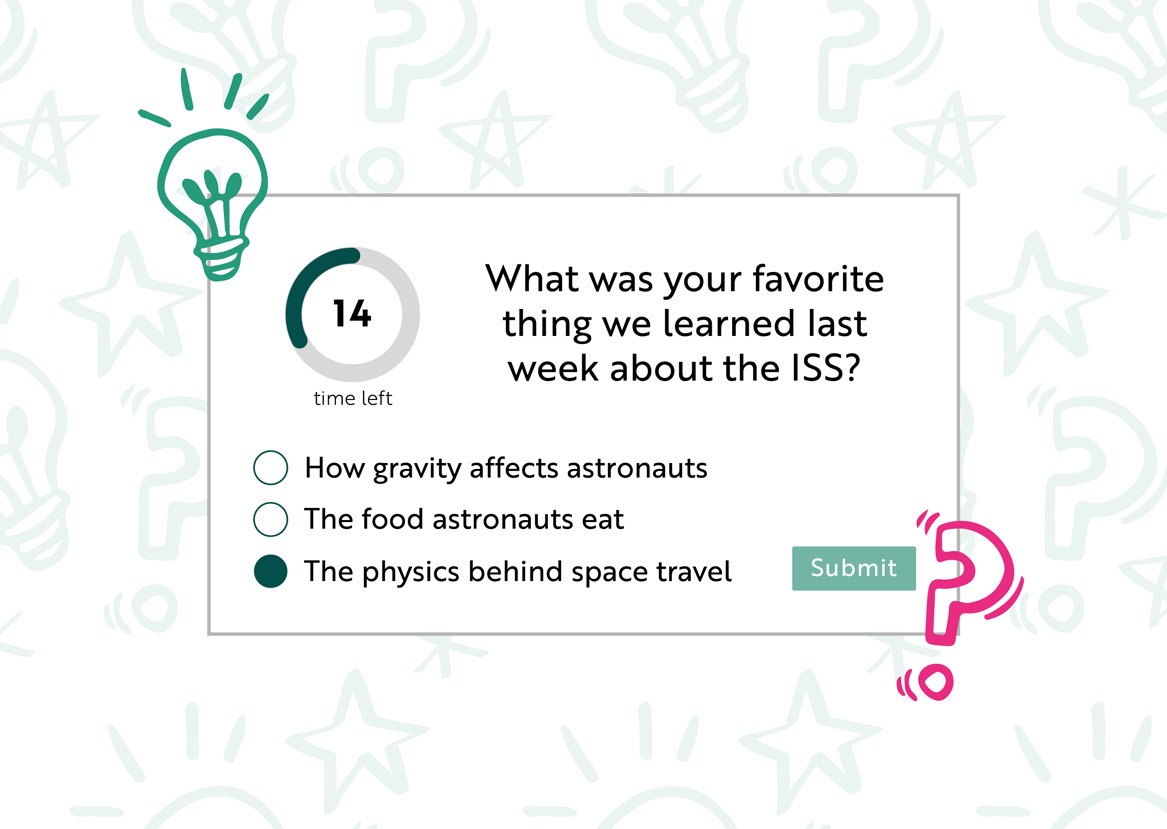
Gagné advises trainers to make connections between what learners already know and what they are about to learn. By creating associations, new information is more easily absorbed into long-term memories. REACHUM’s instructional design platform includes a variety of formative assessment activities that make stimulating recall of prior learning both fun and engaging.
An ungraded pretest gives you a baseline: what your learners already know, and what you actually need to cover.
4. Present educational stimulus

Once you have a thorough understanding of your learners’ background knowledge, you can advance to creating and delivering learning content that will fill in the knowledge gaps between what your learners already know and the outcome the session is meant to produce.
Because your learners will almost always arrive with different experience levels, differentiated instruction is key for designing sessions that resonate across the whole group.
Use multiple media to deliver information — and be precise about why it works. People process verbal and visual information through separate channels, so pairing words with images widens the working memory available to the material instead of crowding a single channel.
That is a different claim from matching a format to each person’s preferred style. The idea that learners have a modality that suits them, and that teaching to it improves results, is the meshing hypothesis — and it has been tested repeatedly without support. The distinction matters: mixing media helps everyone in the room, which is both better evidenced and easier to act on than trying to diagnose individual styles. With REACHUM, you can mix photos, slides, videos, animations, games, whiteboards, webpages, and more.
Learners are far less likely to disengage when the format keeps changing. Think about it — would you rather sit in a session where the facilitator talks at the room for a straight hour? Or one where they move between slides, video, open discussion, gamification, and a handful of other methods?
5. Provide Guidance
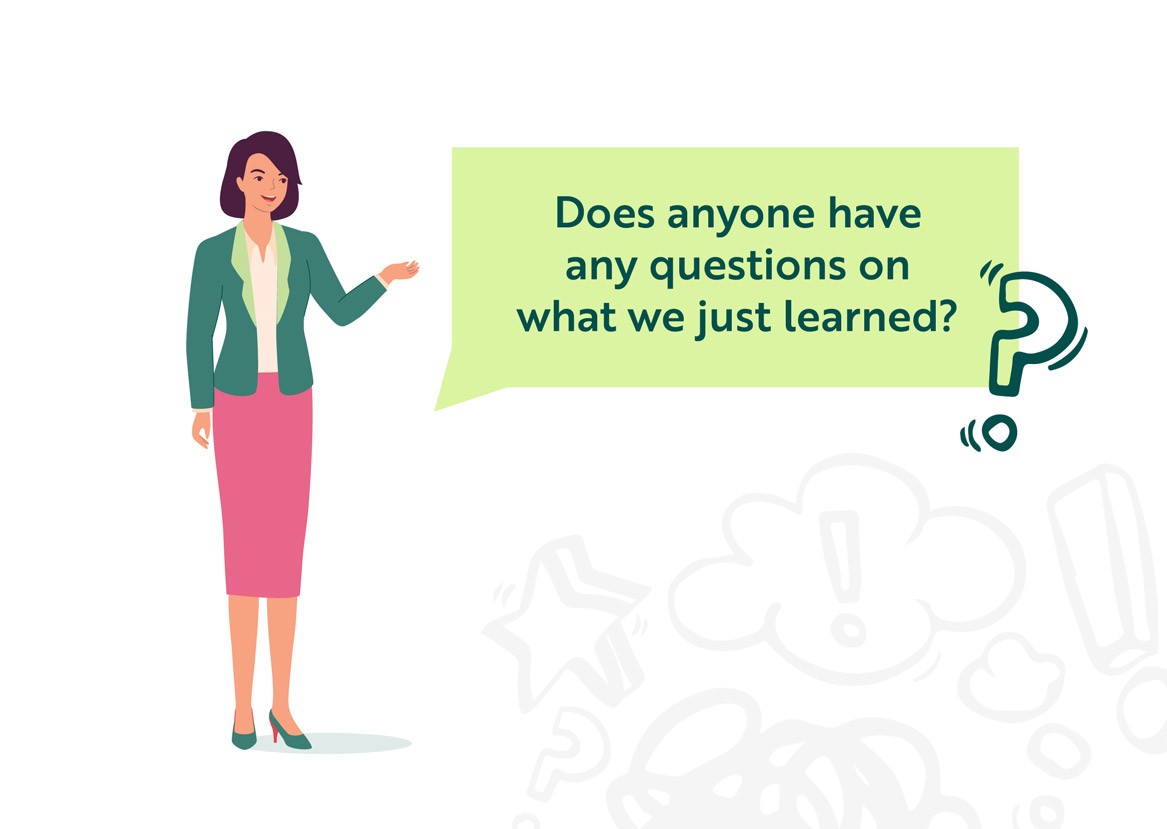
Interactive discussions are a key component in knowledge retention. Trainers can support learning by working through practice problems together, opening breakout rooms, and answering questions about the new material.
6. Elicit Performance
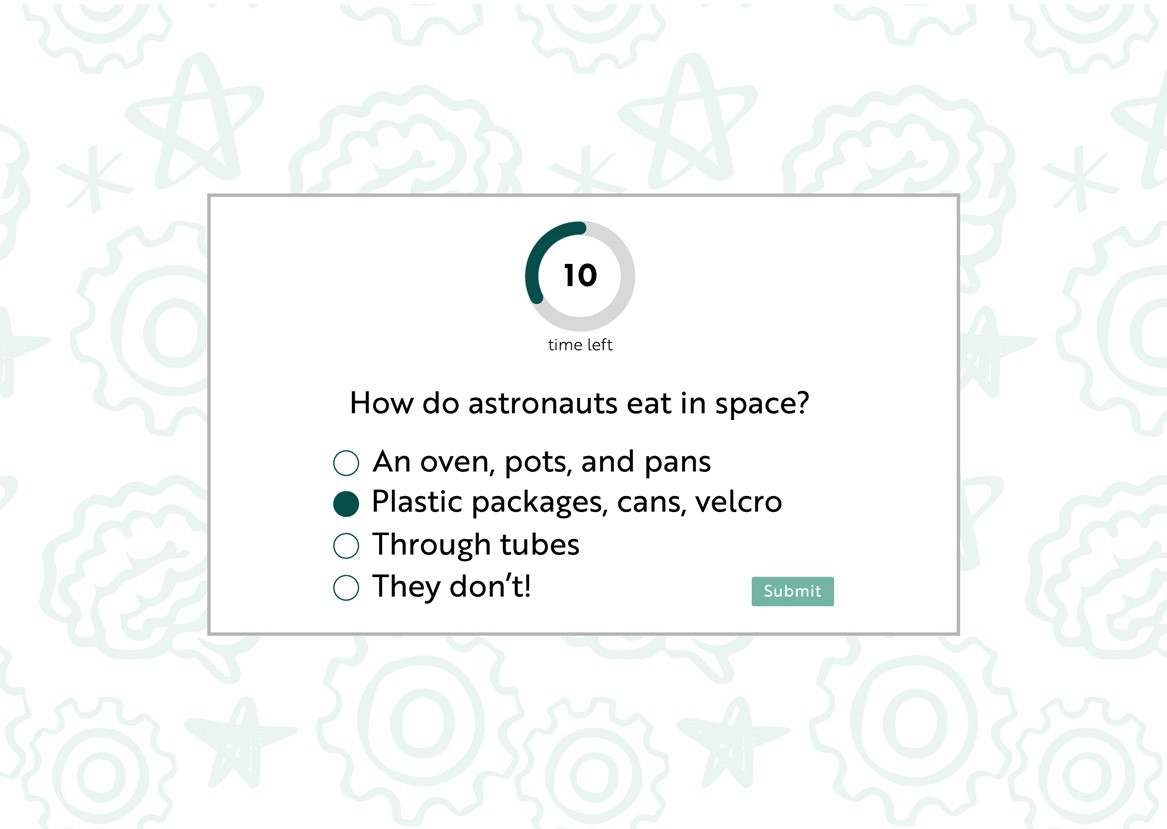
Gagné urges trainers to have learners put what they learned into practice. That can mean guided exercises or role play scenarios that let them apply the new knowledge under realistic conditions. Much like grabbing your audiences’ attention and stating learning objectives, your practice activities should include scenarios that have real world impact for your learners.
7. Provide Feedback

Throughout the entire learning process, Gagné urges instructors to provide continuous feedback to the whole group on general opportunities for improvement. He also highlights the importance of privately addressing roadblocks that specific learners are facing.
Since learning is cumulative, it is important that learners receive feedback immediately. Each building block of knowledge is dependent on acquiring and understanding the prior block. You may need to adjust your material on the fly, or bring the group back to something covered earlier.
8. Assess Performance
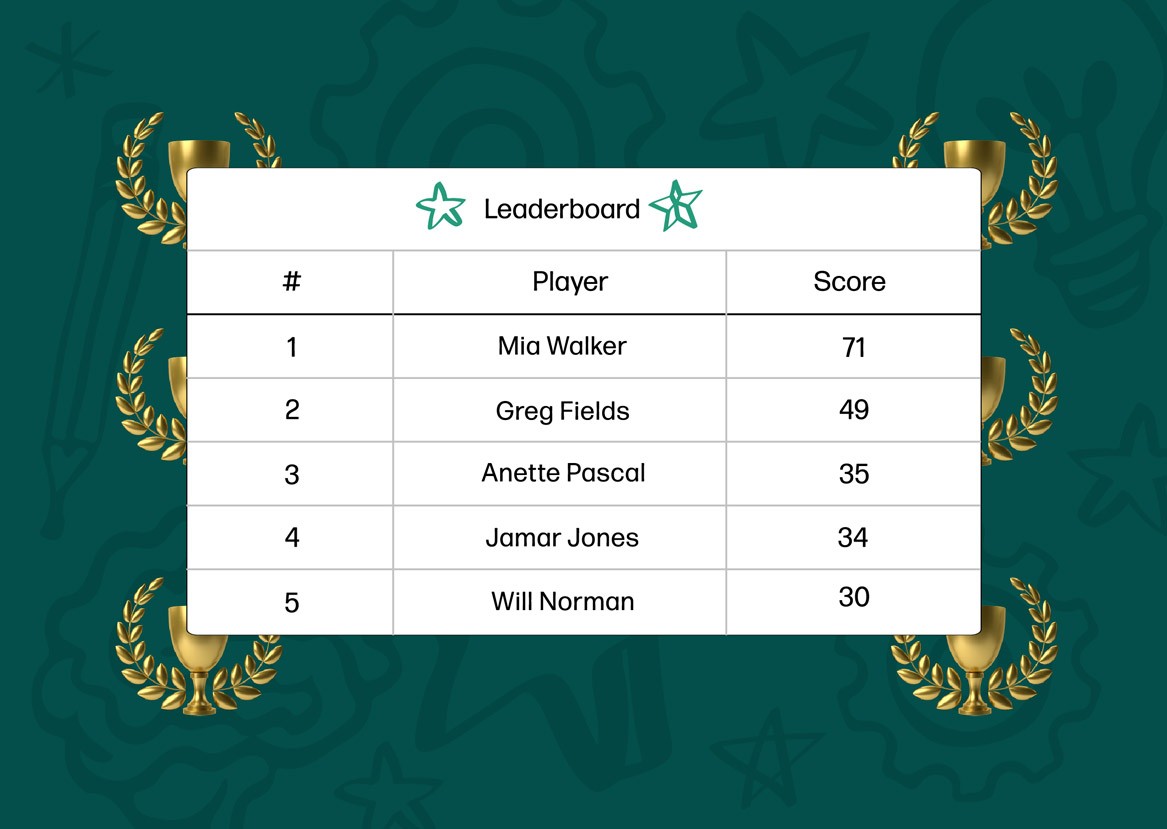
Learning technology such as REACHUM’s game-based activities gives you real-time data for assessing learner performance. Leaderboard game data can also help you understand what’s working and what’s not and allow you to clear up any confusion or misunderstandings while the session is still top of mind for your learners.
9. Enhance Retention and Transfer
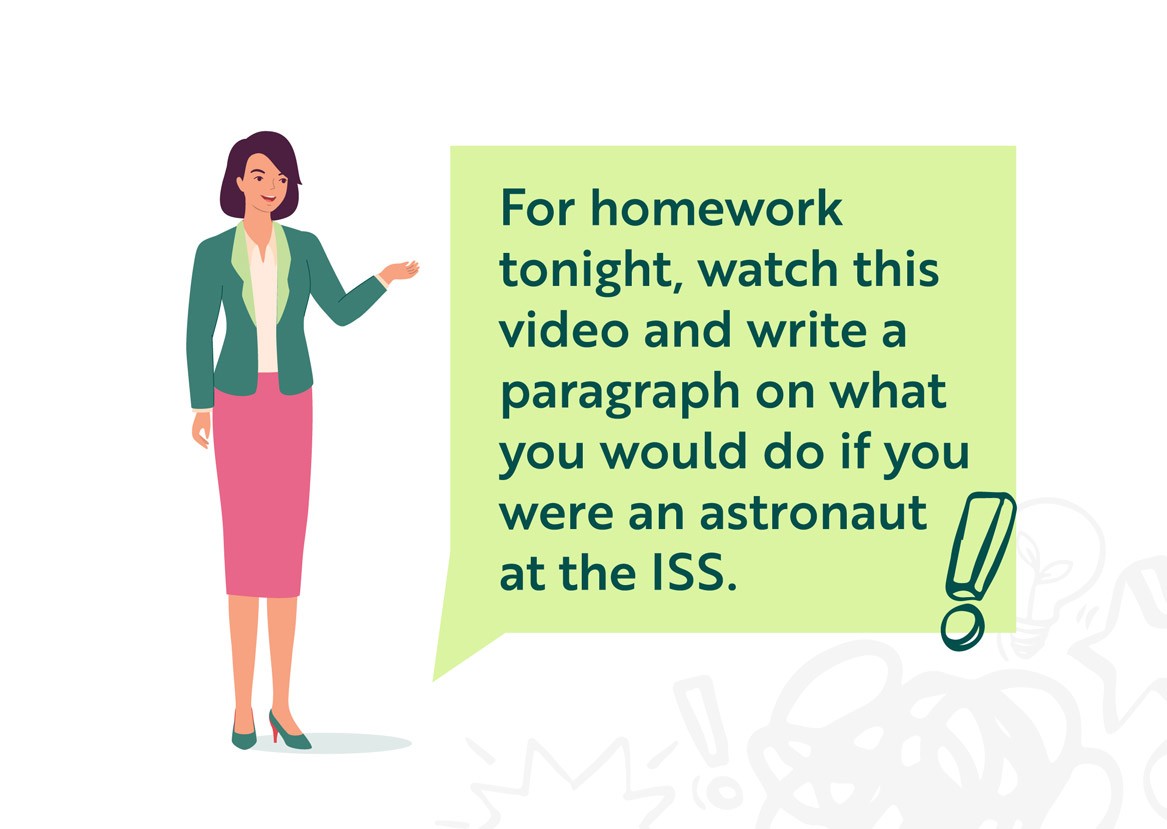
Gagné’s final instruction event is to ensure the transfer of knowledge from short term memory to long term memory. This is where reinforcement comes in. Trainers can improve long-term recall by having learners reflect on, write about, or discuss what they covered. Ideally they are applying the new knowledge to live work situations.
Demonstrating the practical value of your instruction is what turns a session into something your team actually carries back to the job.
Learning Experience Design with Gagné’s Nine Events
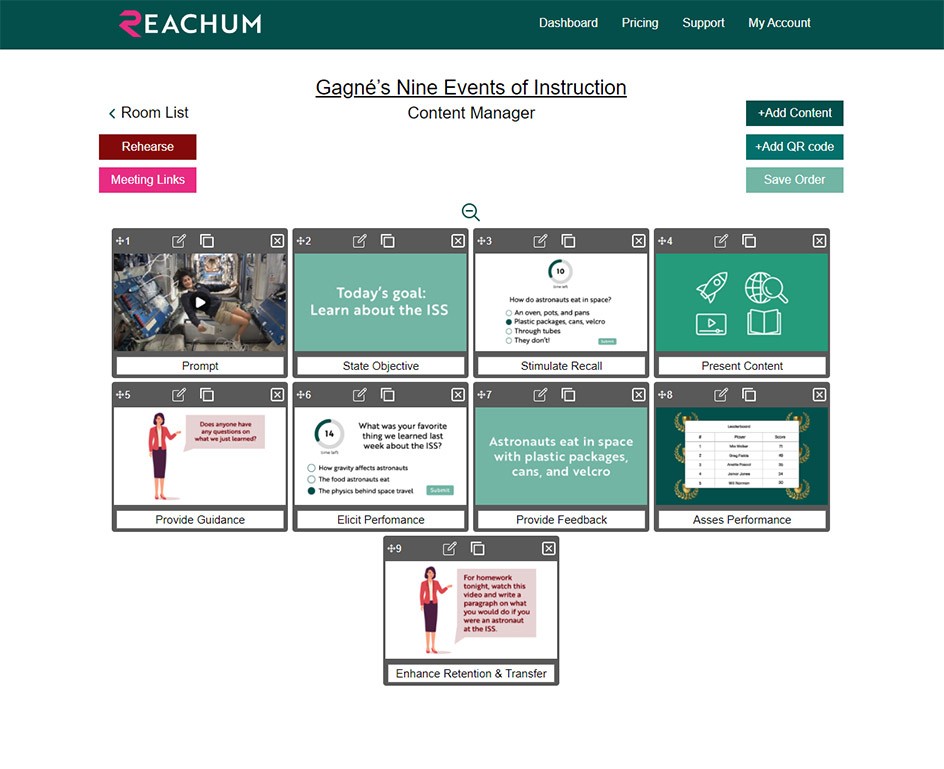
While this nine-step instructional design model may seem daunting to implement, learning platforms like REACHUM make it quick to bring Gagné’s framework to life.
Effective Takeaways from Gagné's Nine Events of Instruction
Gagné’s Nine Events of Instruction is a valuable framework for designing sessions that work with how information processing actually happens, which is why it remains a standard reference in instructional design.
REACHUM’s session design tools make implementing Gagné’s framework straightforward, giving you what you need to hold your learners’ attention while increasing comprehension and retention.
Putting Gagné’s Framework to Work
The nine events were written for instruction of any kind, but they earn their keep in workplace training, where attention is scarce and a session that fails to transfer shows up later as missed quota and repeated mistakes. Follow us on LinkedIn, or request a walkthrough and we will build one of your own scenarios against this framework.
Frequently asked questions
What are Gagné's Nine Events of Instruction?
A nine-step sequence for designing effective lessons: gain attention, state objectives, stimulate recall of prior learning, present the content, provide guidance, elicit performance, provide feedback, assess performance, and enhance retention and transfer.
How are the Nine Events organized?
They fall into three phases: preparation (events 1–3), instruction and practice (events 4–7), and assessment and transfer (events 8–9).
How do you apply Gagné's framework in corporate training?
Open with a hook, show learners how the material applies on the job, connect it to what they already know, deliver it through mixed media, let them practice in realistic scenarios, give immediate feedback, and reinforce it afterward with real-world application.
Why do Gagné's Nine Events improve retention?
Each event maps to a step in how the brain processes information, so following the sequence gives learners the mental conditions needed to move knowledge into long-term memory.